TASA HUB - AI SAAS PRODUCT
Impact: Established and retained customer engagement as a start up. Beat standard speed of go to market compared to traditional SaaS 0-1 without the use of AI models.
Outcome: Launched as a fully functioning SaaS platform. From “We have an idea” → “We have customers using this”. 0-1 build using AI tools: Cursor AI, Lovable, Gemini and ChatGPT. As well as full API integrations.
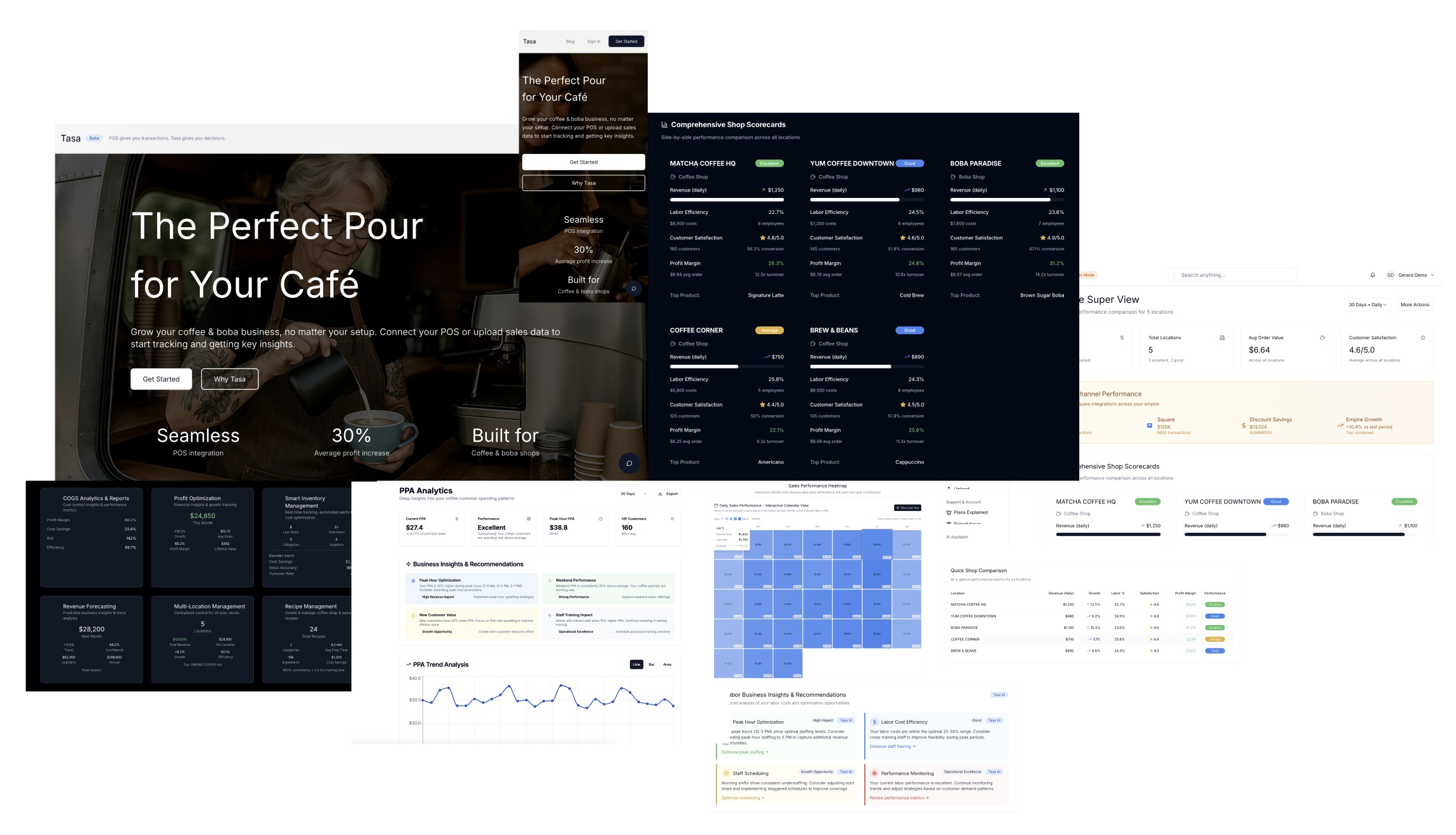
I AM THE FOUNDING UX and UI PRODUCT DESIGNER FOR BOTH MOBILE AND WEB EXPERIENCES.
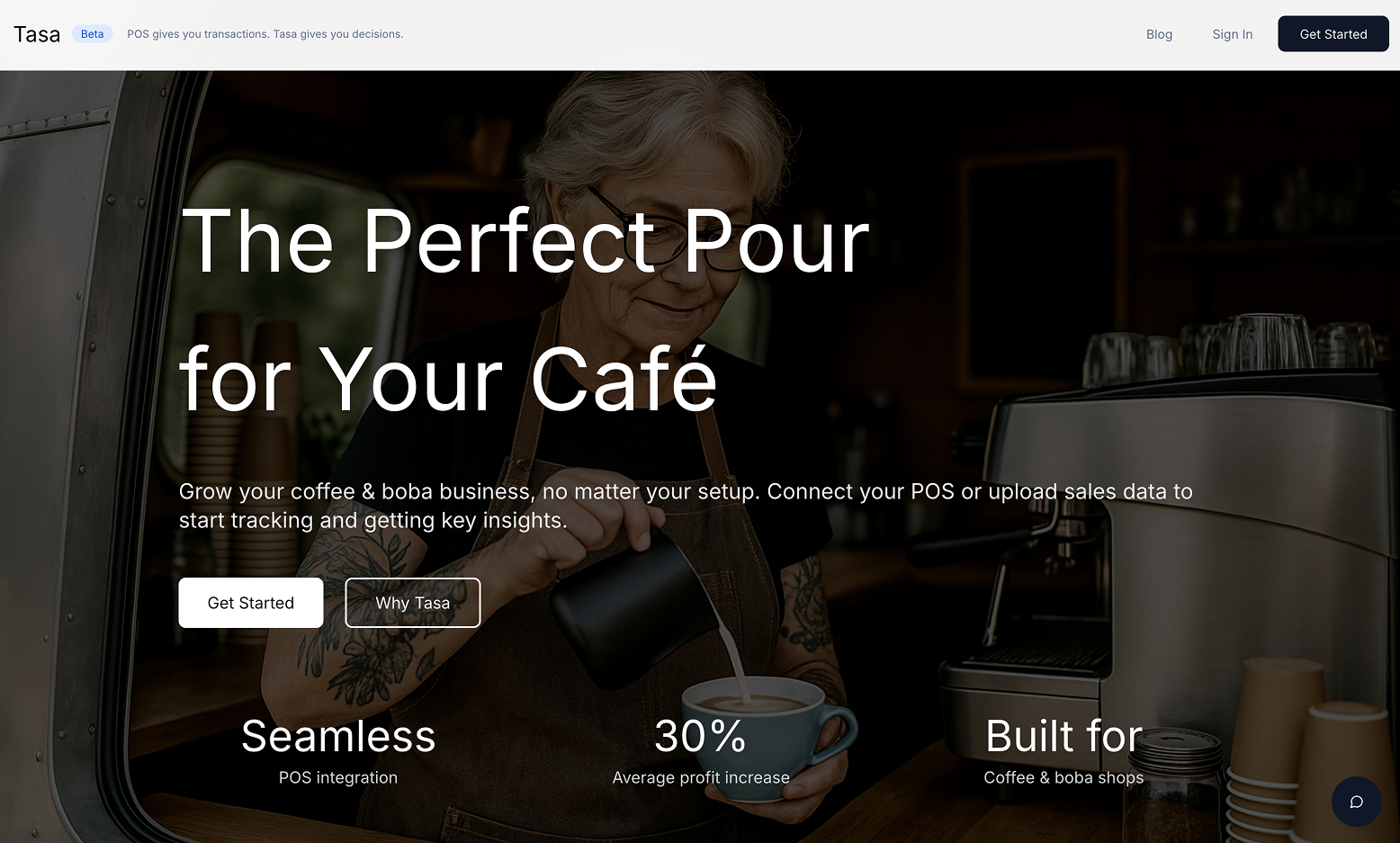
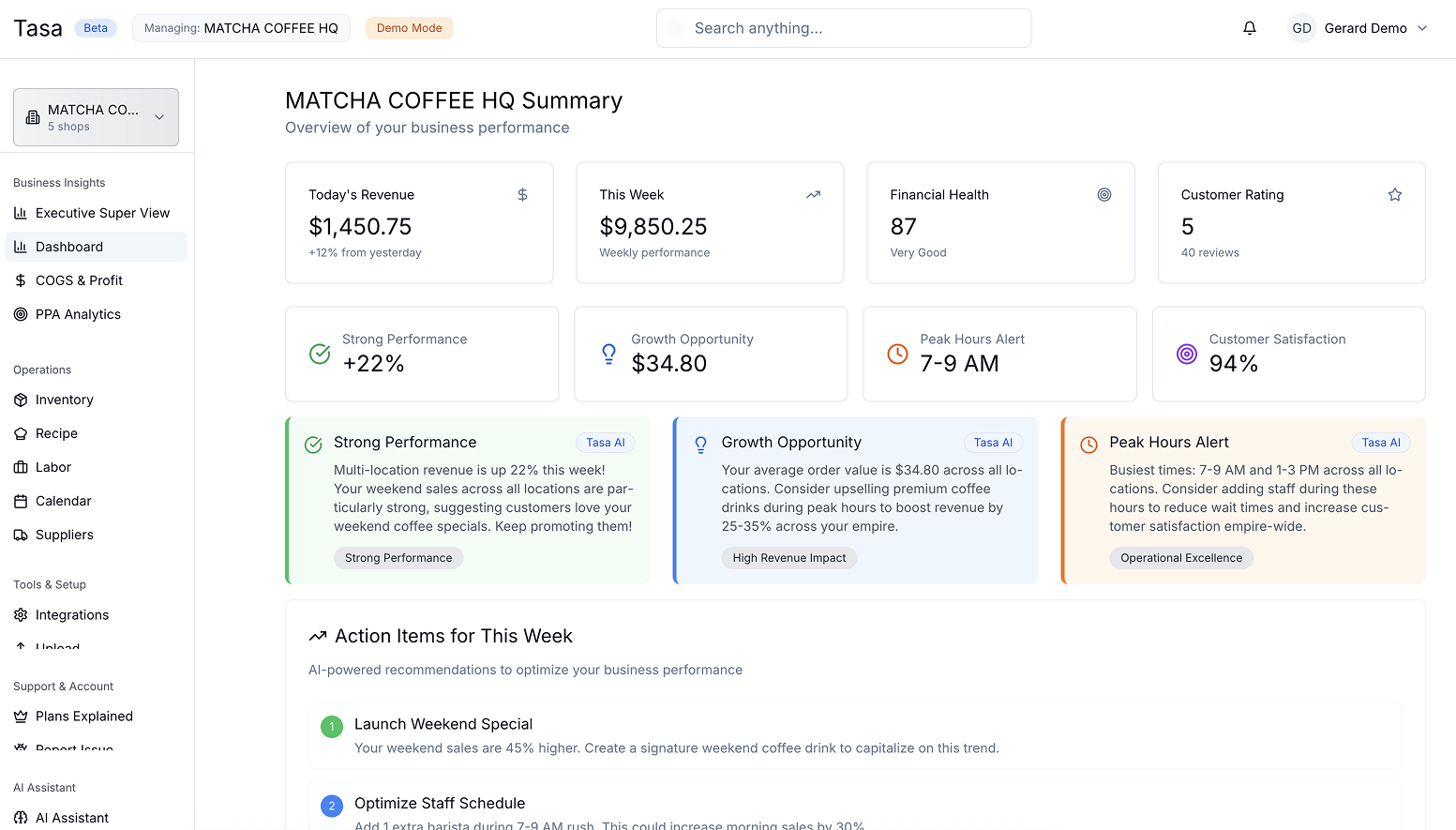
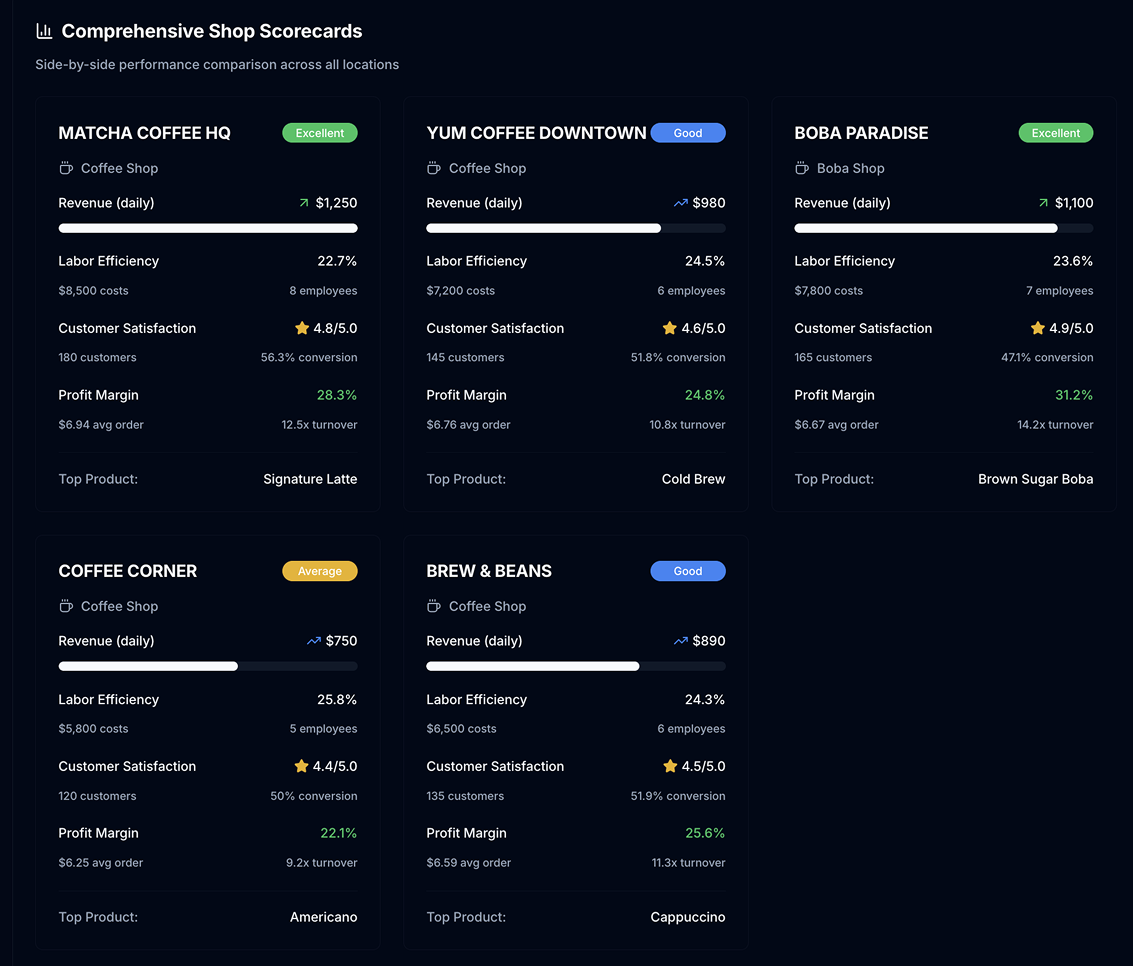
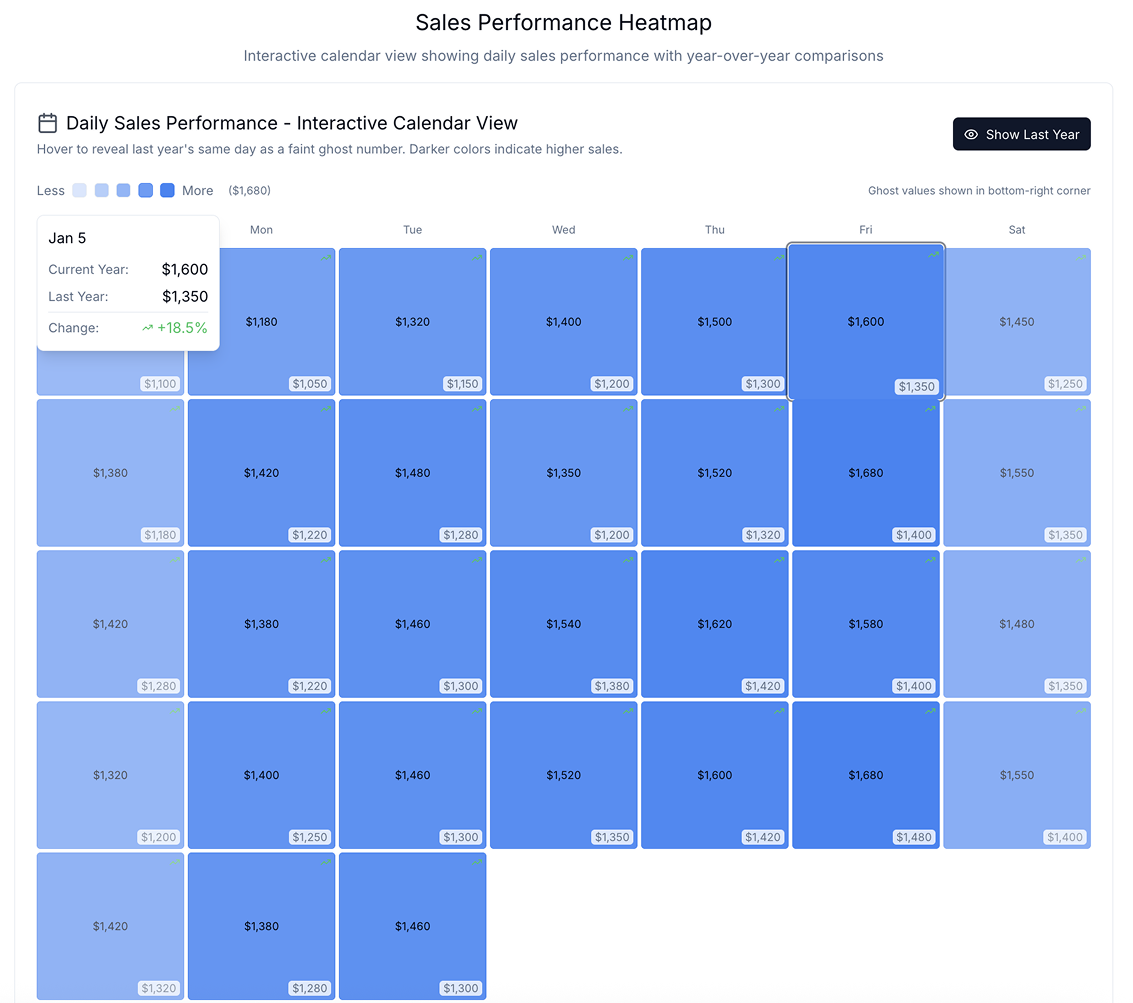
As a principal individual contributor, I led by example with curiosity, empathy, and collaboration.
Designing an AI-Powered SaaS Platform from 0 → 1
Role: Founding Product Designer
Team: 2 Founders, 1 Lead Engineer, Me
Timeline: 2025
Tools: Figma, Cursor AI, ChatGPT, Gemini, Lovable, Supabase, Stripe,
APIs: Google, Square, Stripe, Shopify, Quickbooks, Resend, Twilio and more
The Challenge
TasaHub started as an idea. There was no product, no users, no workflows, and no validated problem — just founders with a hypothesis. My job was to turn ambiguity into a real product.
“The $ 72B Coffee and Boba industry for SMB lack the Enterprise AI layer that current POS Softwares don’t invest in. They are not giving the Coffee and Boba industry justice — even with SMB’s small margin.”
What I Owned
As the Founding Designer, I led the product end-to-end:
Customer research & validation
Product strategy & experience design
UX architecture & flows
UI & interaction design
AI-assisted prototyping & build
Product documentation
Engineering collaboration
Founder-level decision making
This wasn’t a handoff role — I was embedded in every major product decision.
The Problem We Discovered
Our Product Goal
Create one platform that takes a business from
new lead → paid customer → completed work
without switching tools. That became our North Star.
Our Opportunity
They didn’t want more software. They wanted one system that worked like their business.
My Process

Using:
Customer interviews
Founder alignment
Rapid prototyping
Live production testing
AI-accelerated iteration
Discover: Understanding Real Needs
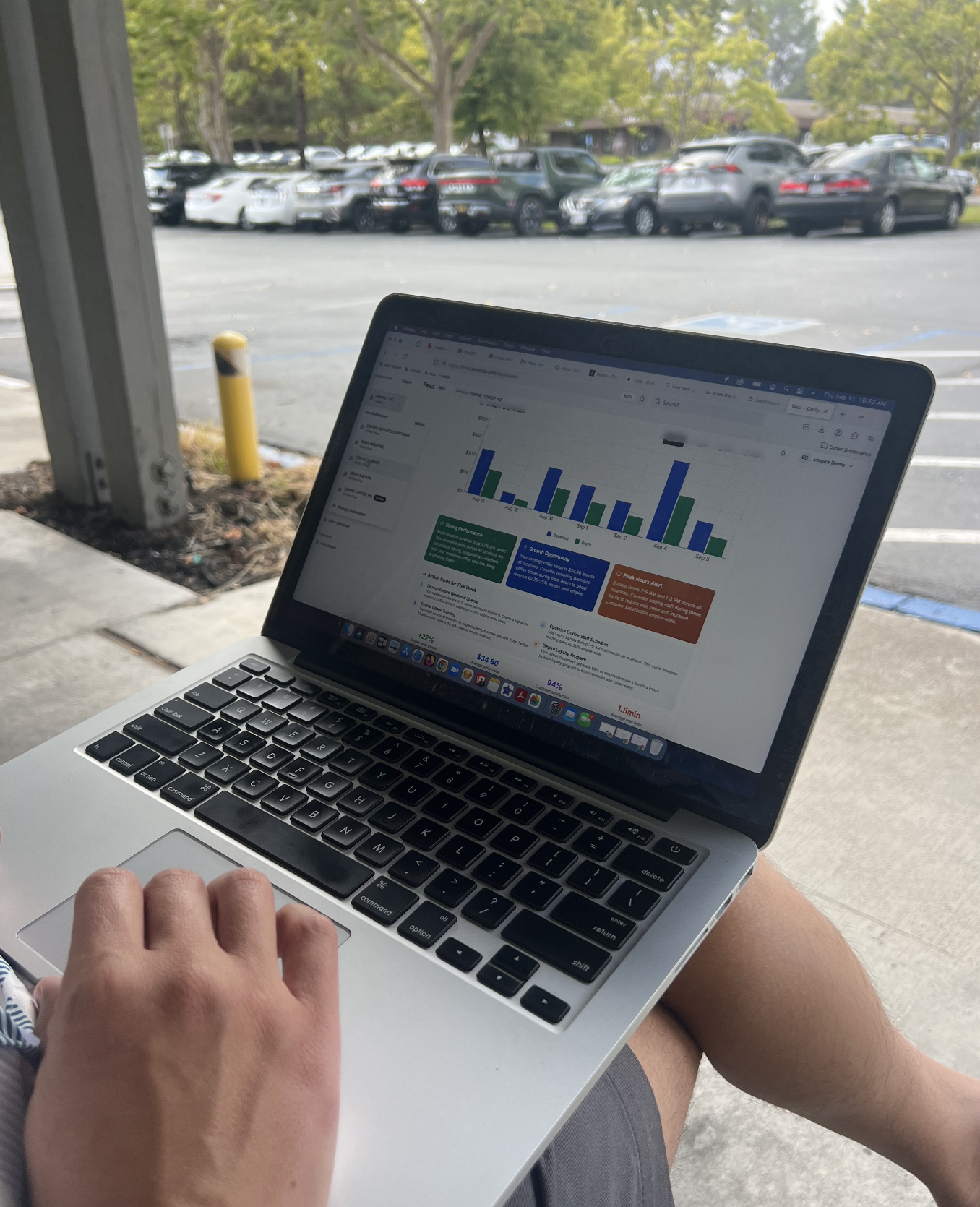
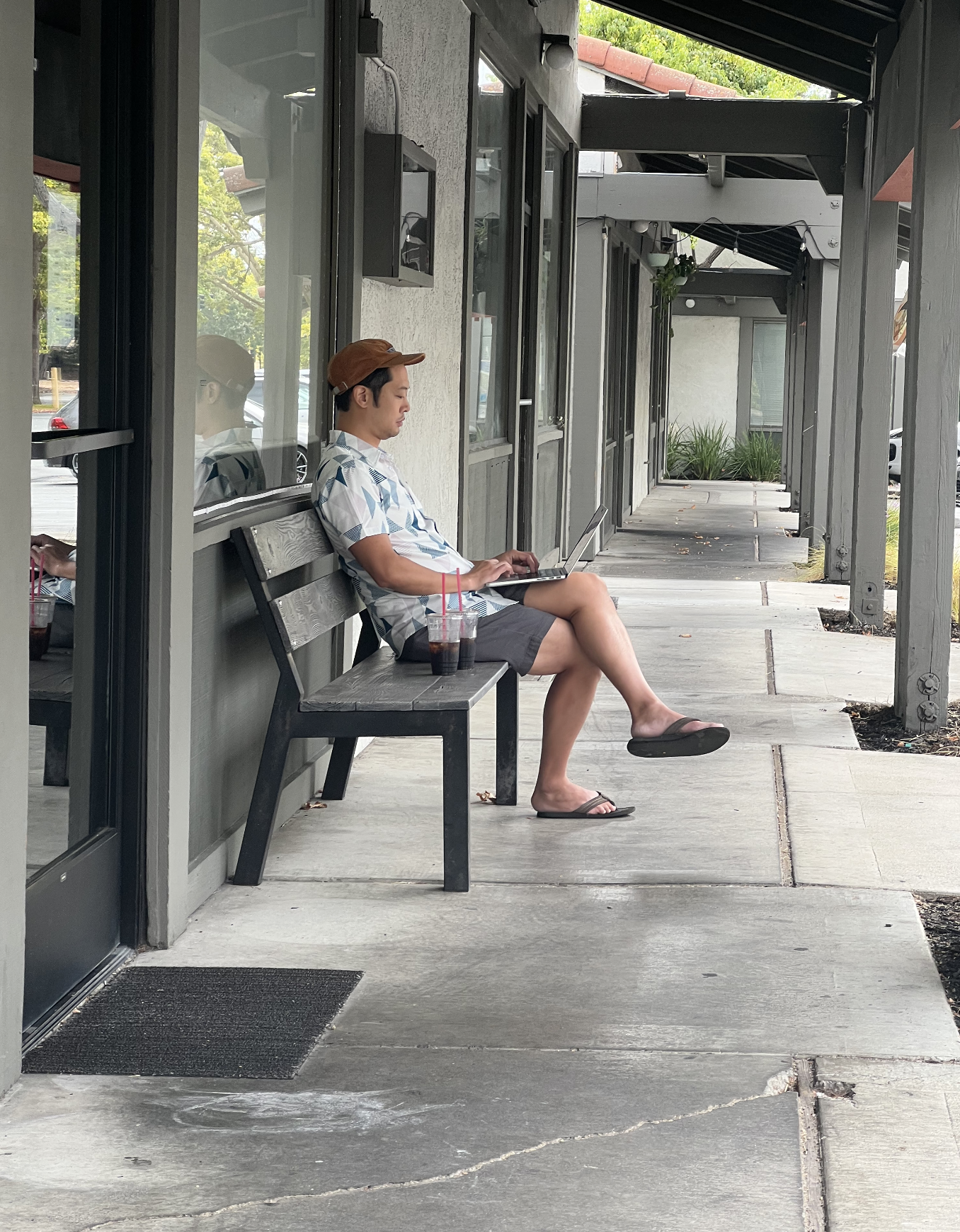
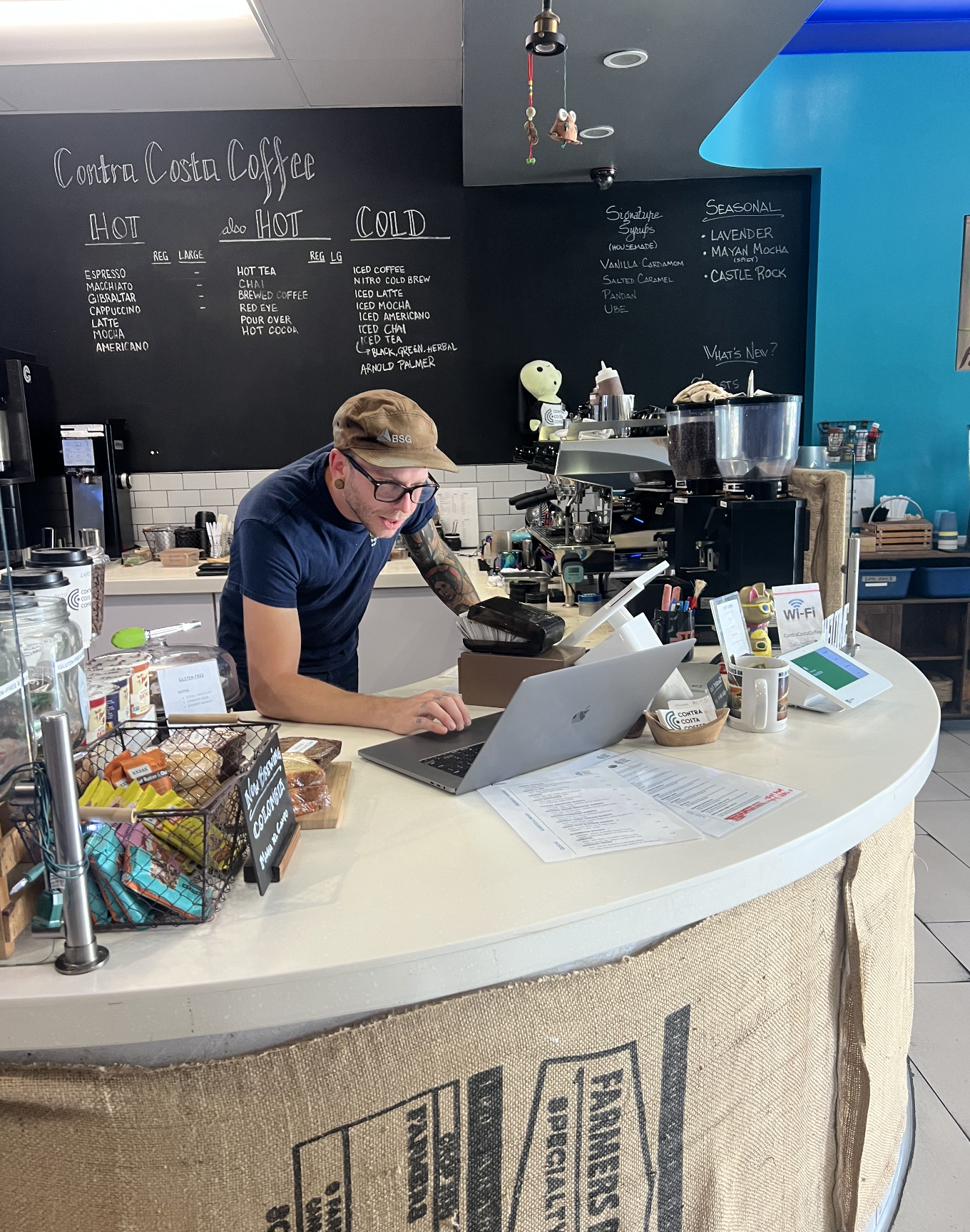
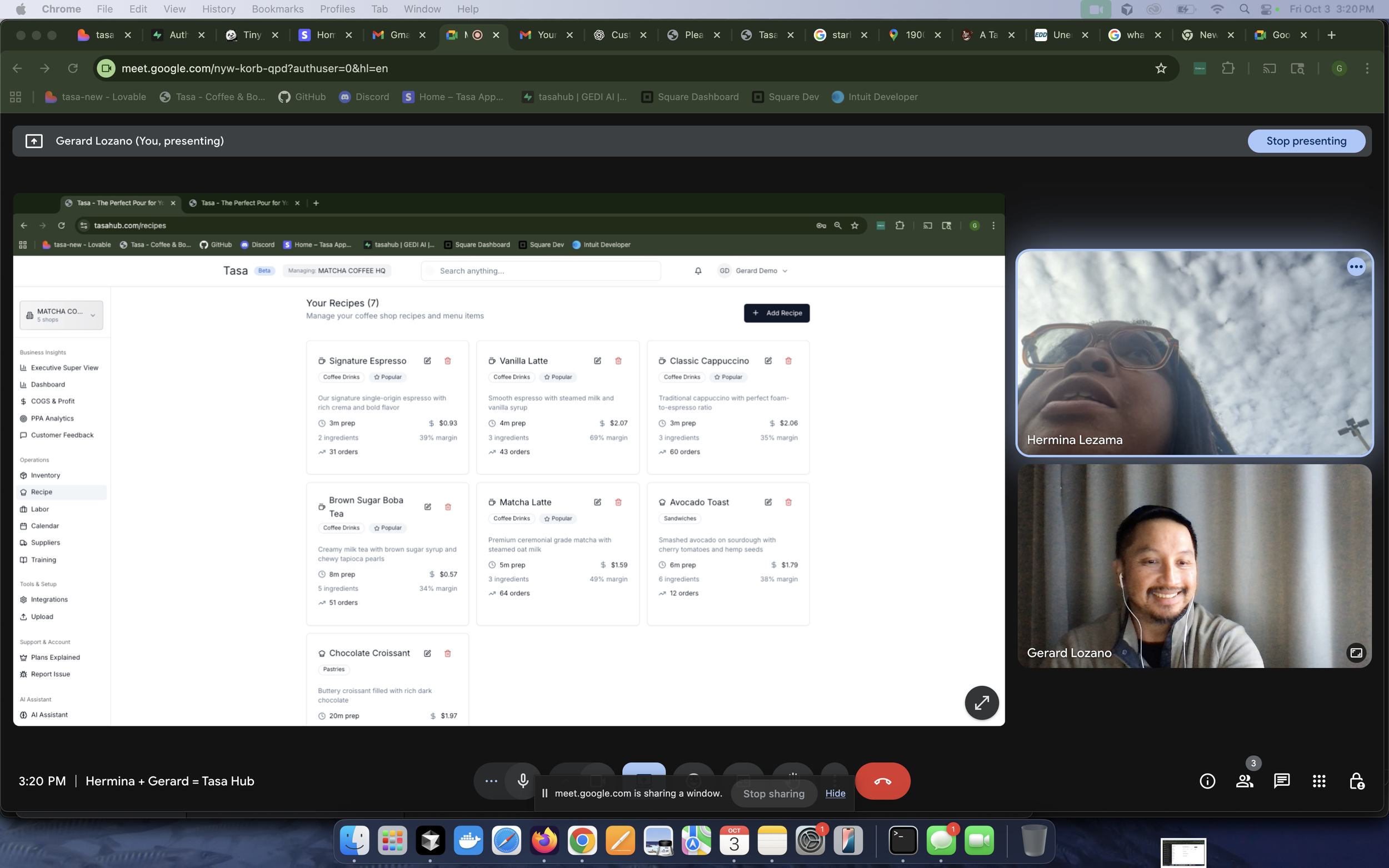
I ran:
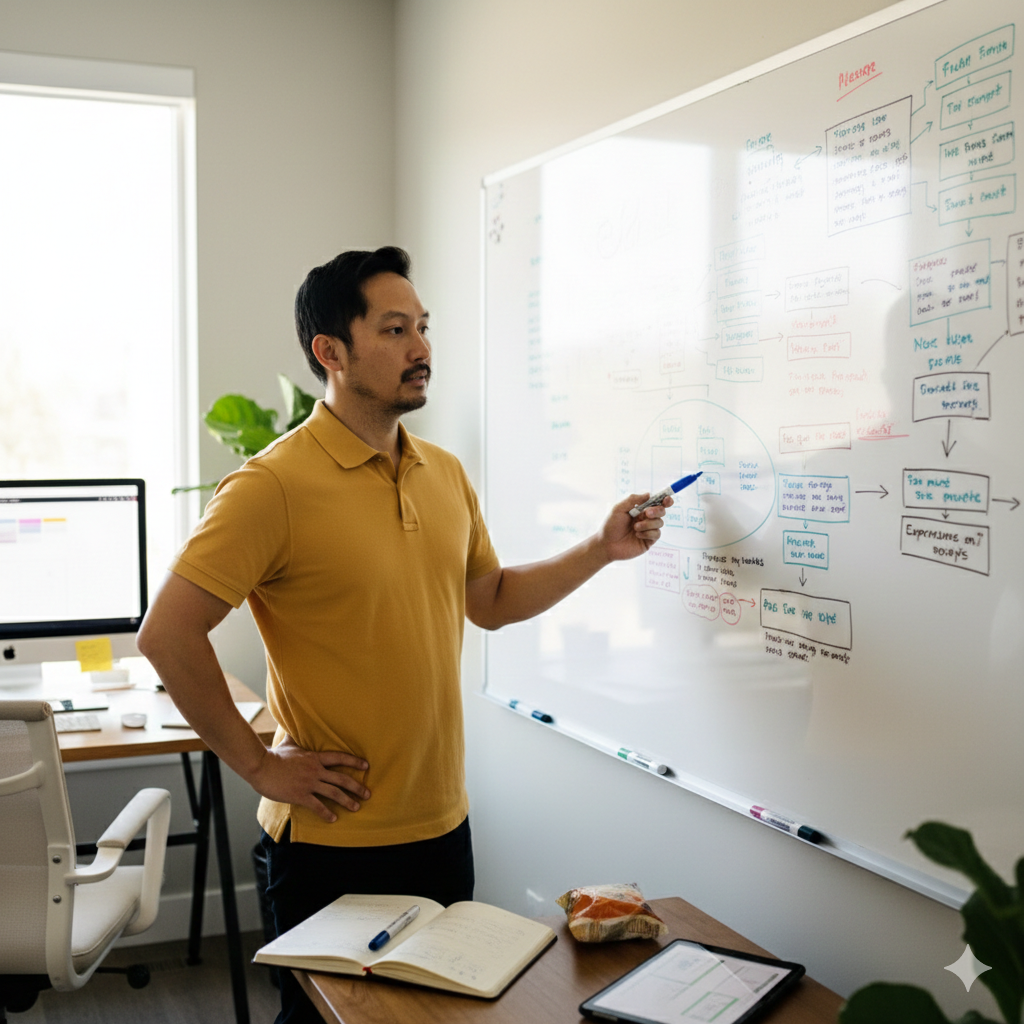
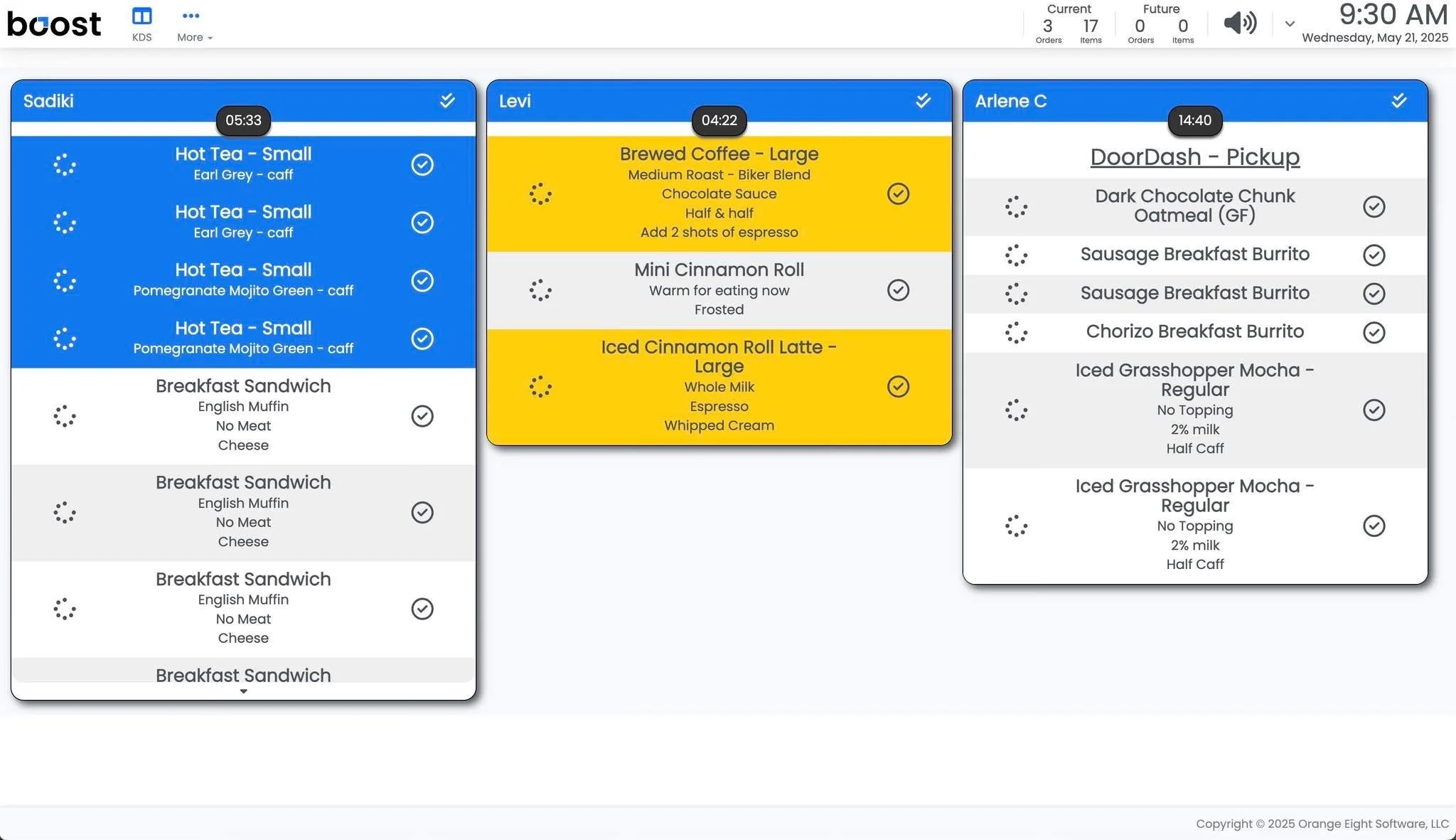
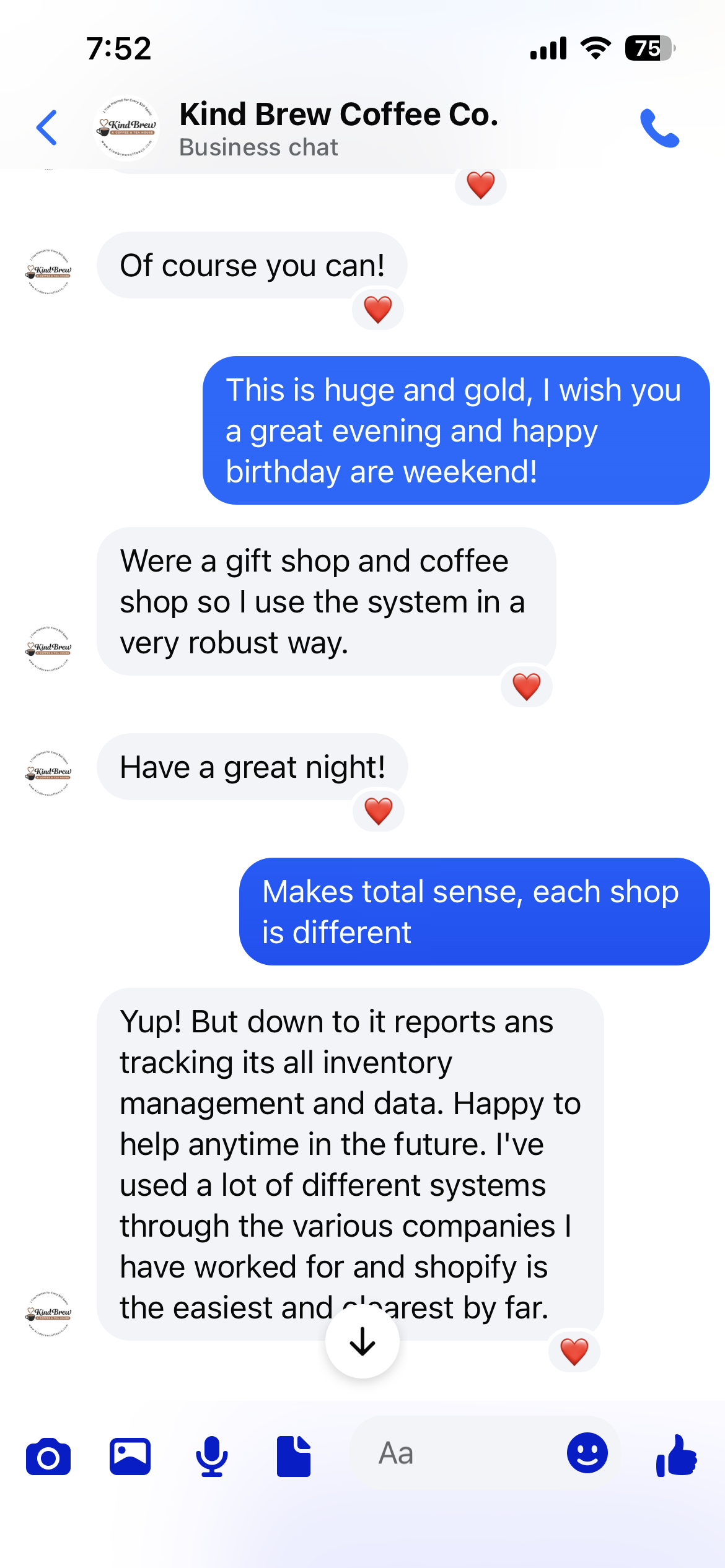
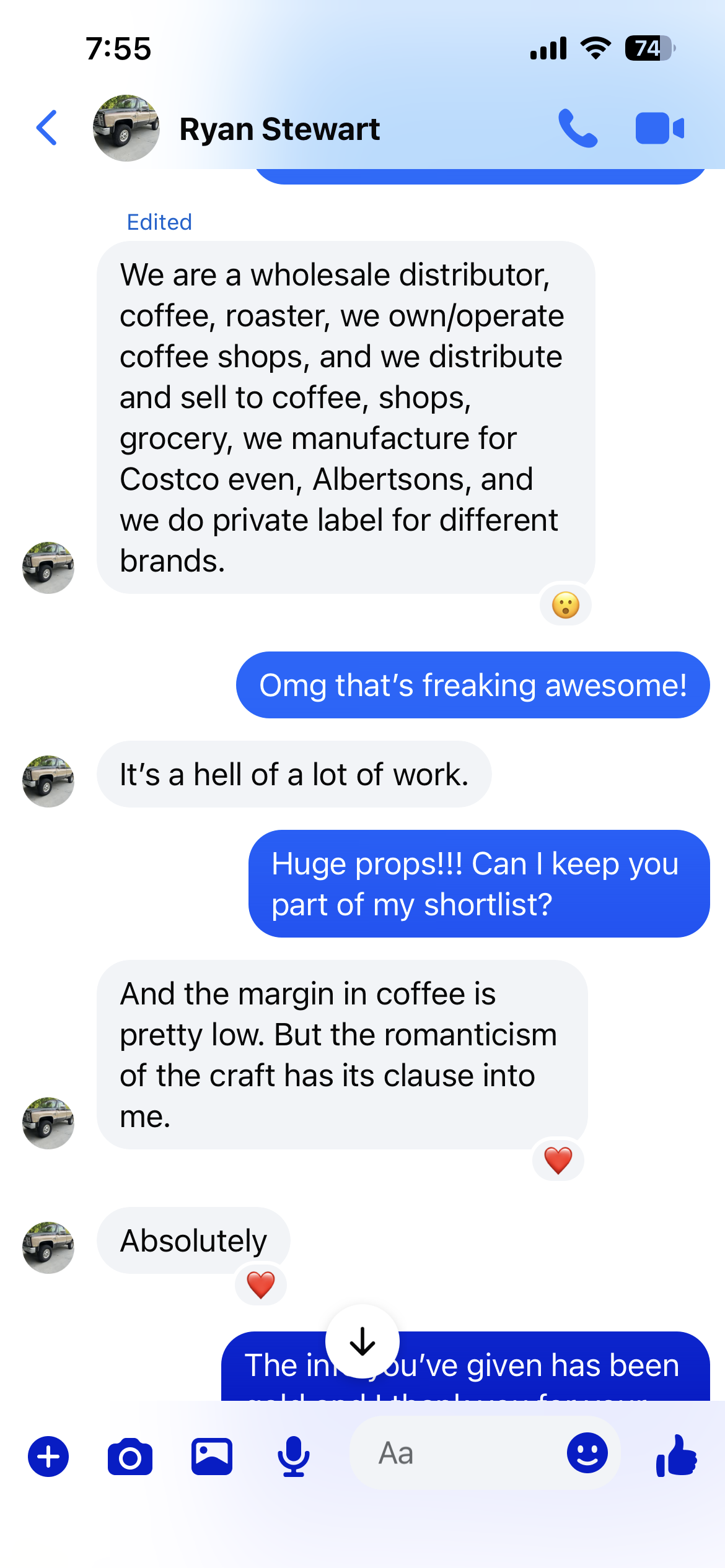
9 user interviews by recruiting from local coffee shops, Facebook groups and Sub Reddit forum.
Workflow walkthroughs
Founder-led sales calls
Using ChatGPT and Gemini, I:
Generated interview scripts
Synthesized insights
Clustered pain points
Key insight:
The biggest problem wasn’t features — it was fragmentation.
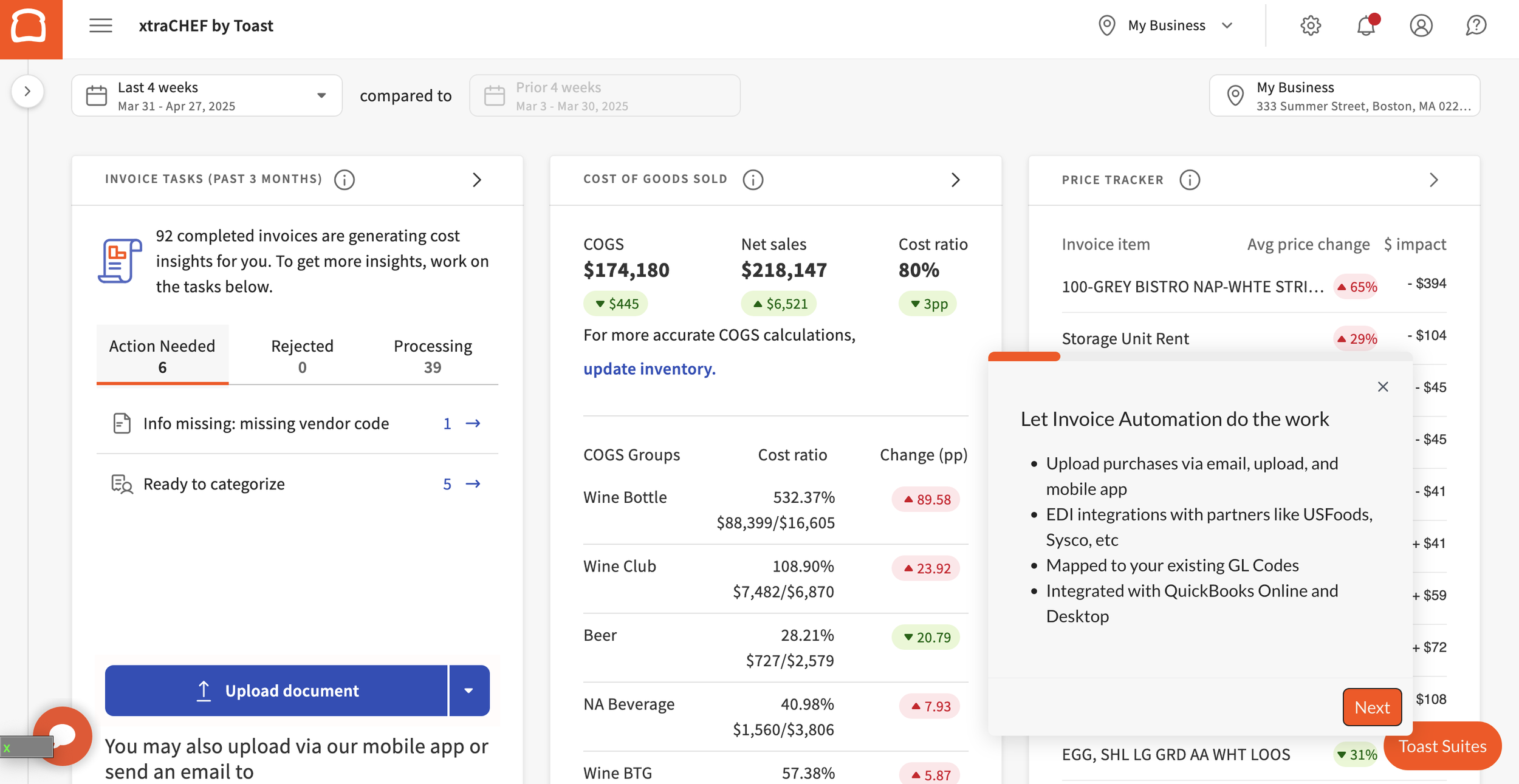
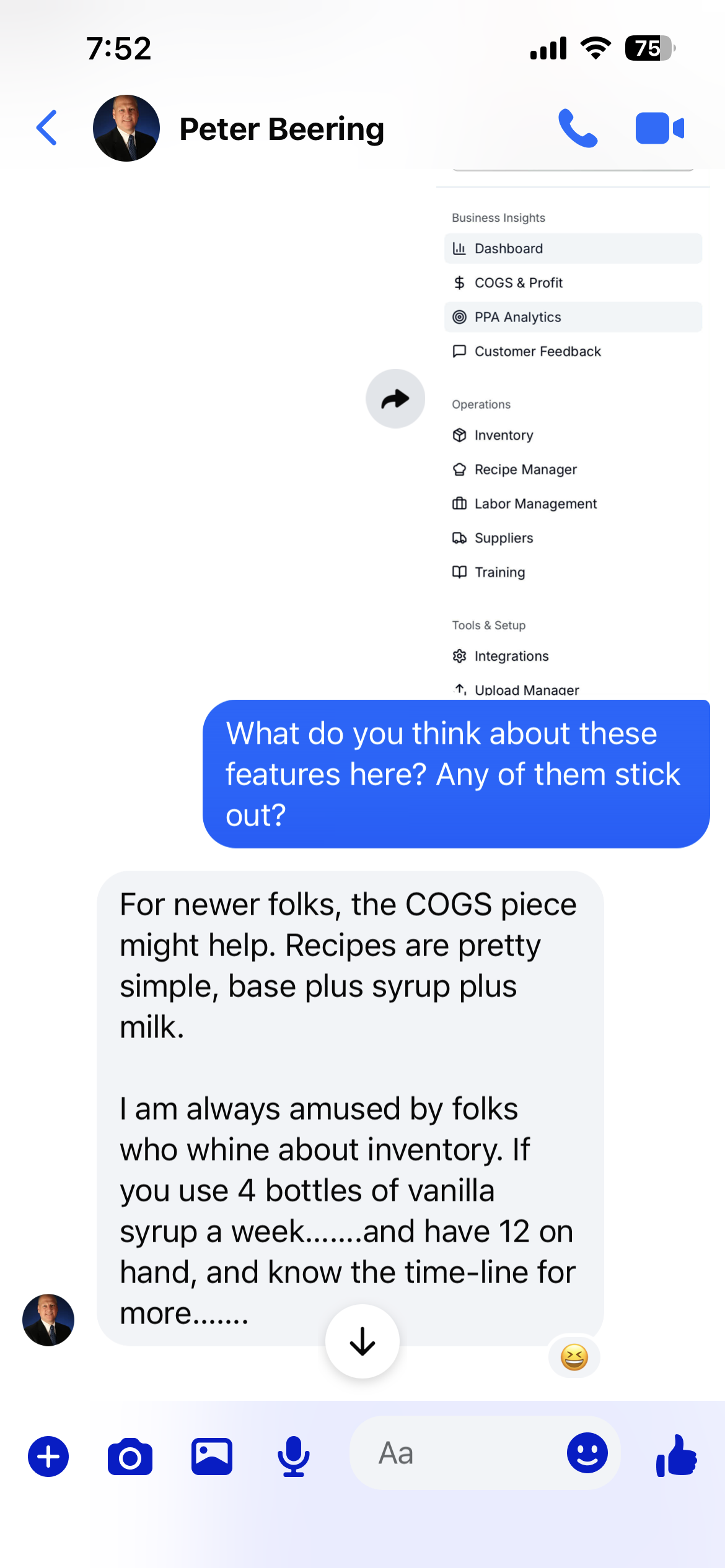
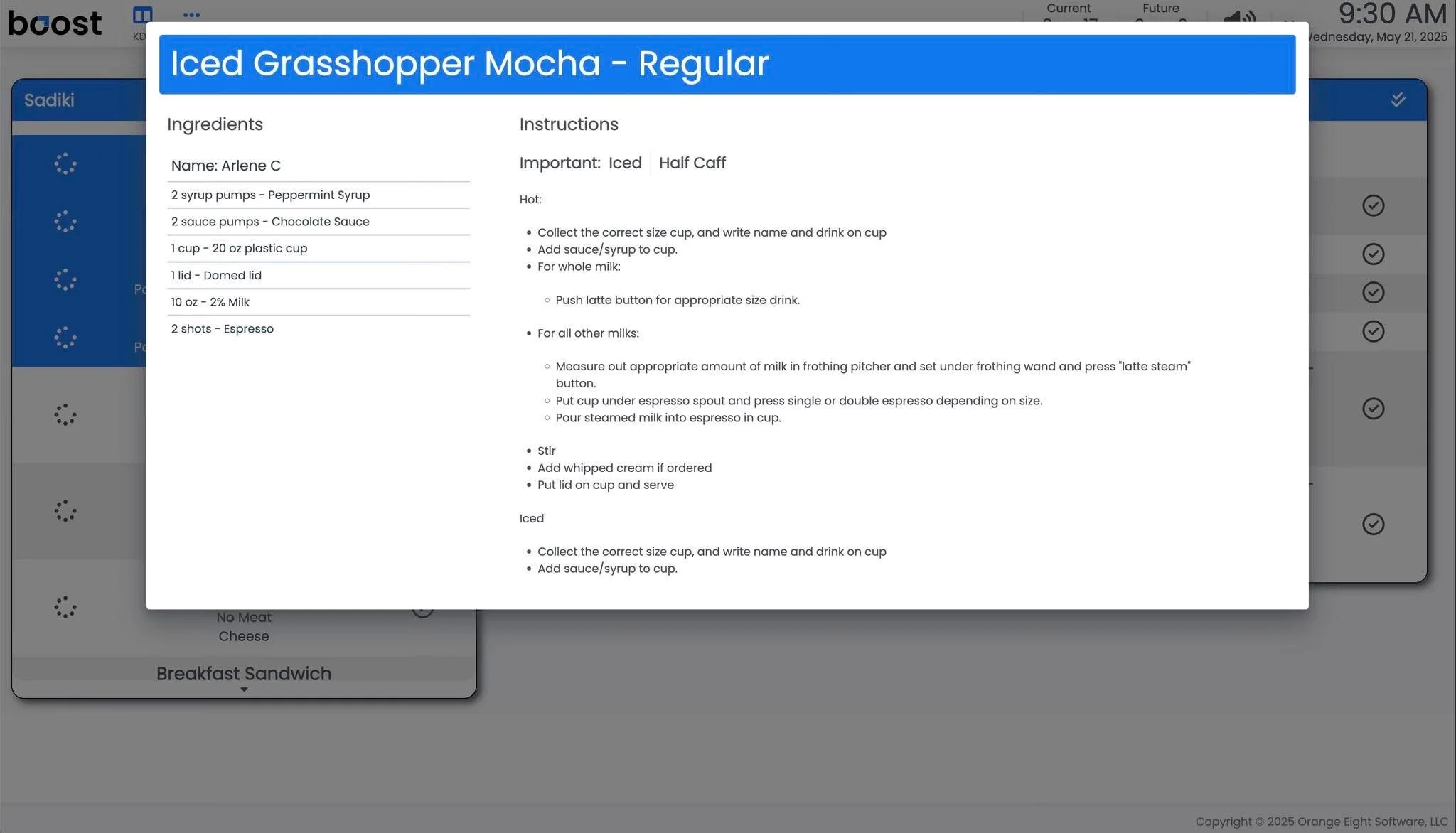
Through interviews with real coffee shop owners from actual brick and mortar shops, Facebook groups, and Reddit Forums we learned a sea of common concerns with Inventory, COGs, Employee management and the need of smart AI analytics for forecasting. The POS systems they were paying a lot of money for weren’t giving them the right support, rather just taking % of their profits. They didn’t lack tools. They were drowning in them.
They were juggling:
Lead forms
Contracts
Invoices
Payments
Job tracking
Email
Which led to:
Lost leads
Missed payments
Broken handoffs
No single source of truth
Develop: Designing the System
Instead of designing pages, I designed how the business actually worked.
I created:
User journeys
Data models
State transitions
Permission rules
End-to-end flows
Using:
Figma
FigJam
AI-generated flow modeling
Live validation with engineering
Define: Turning Insights into a Product
From research, I defined four product principles:
One source of truth
Minimal setup
Founder-level control
Automation over admin
We mapped the core system:
Leads
Customers
Jobs
Payments
Documents
This became the foundation of every design and engineering decision.
AI-Powered Prototyping
Cursor AI
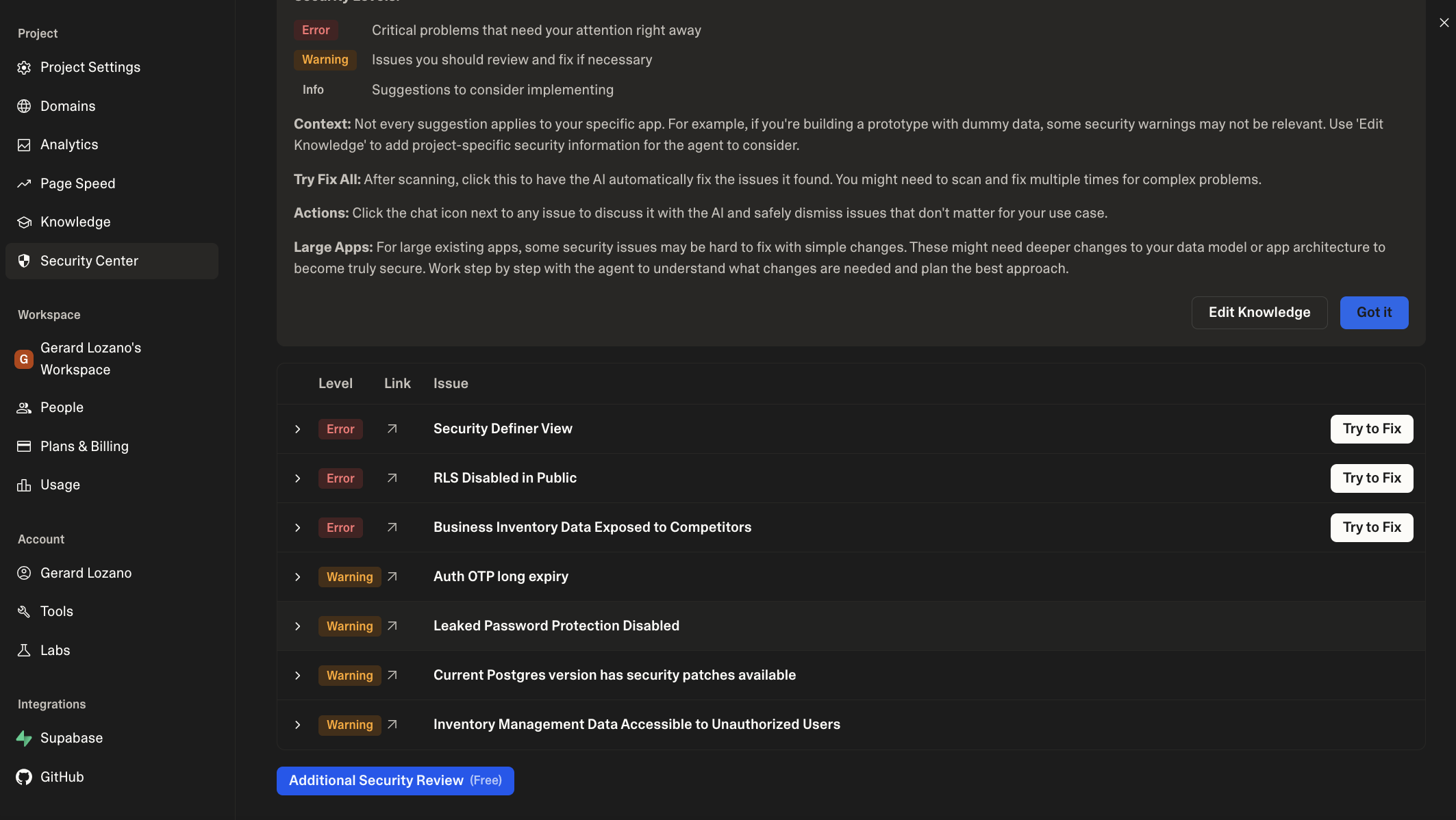
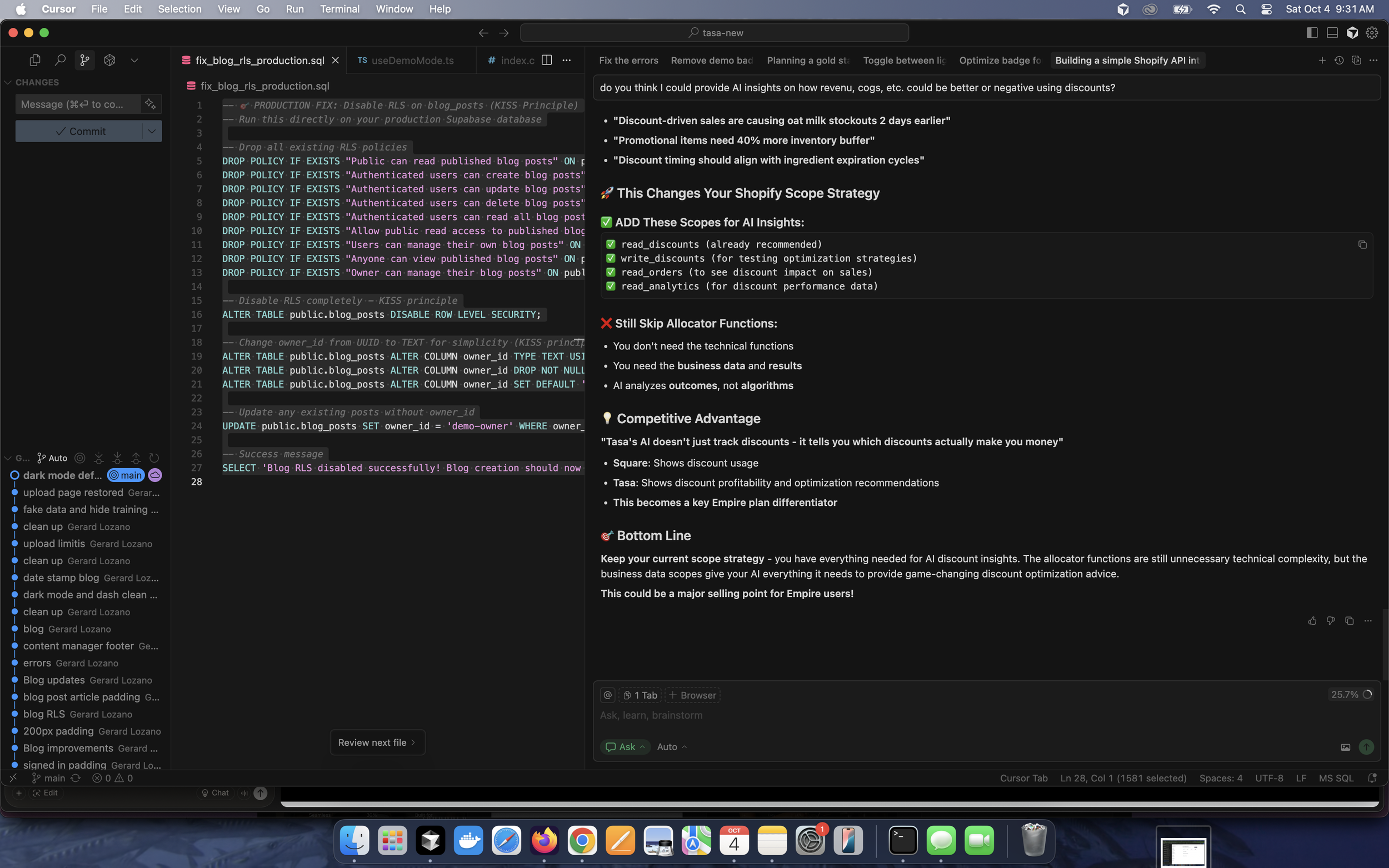
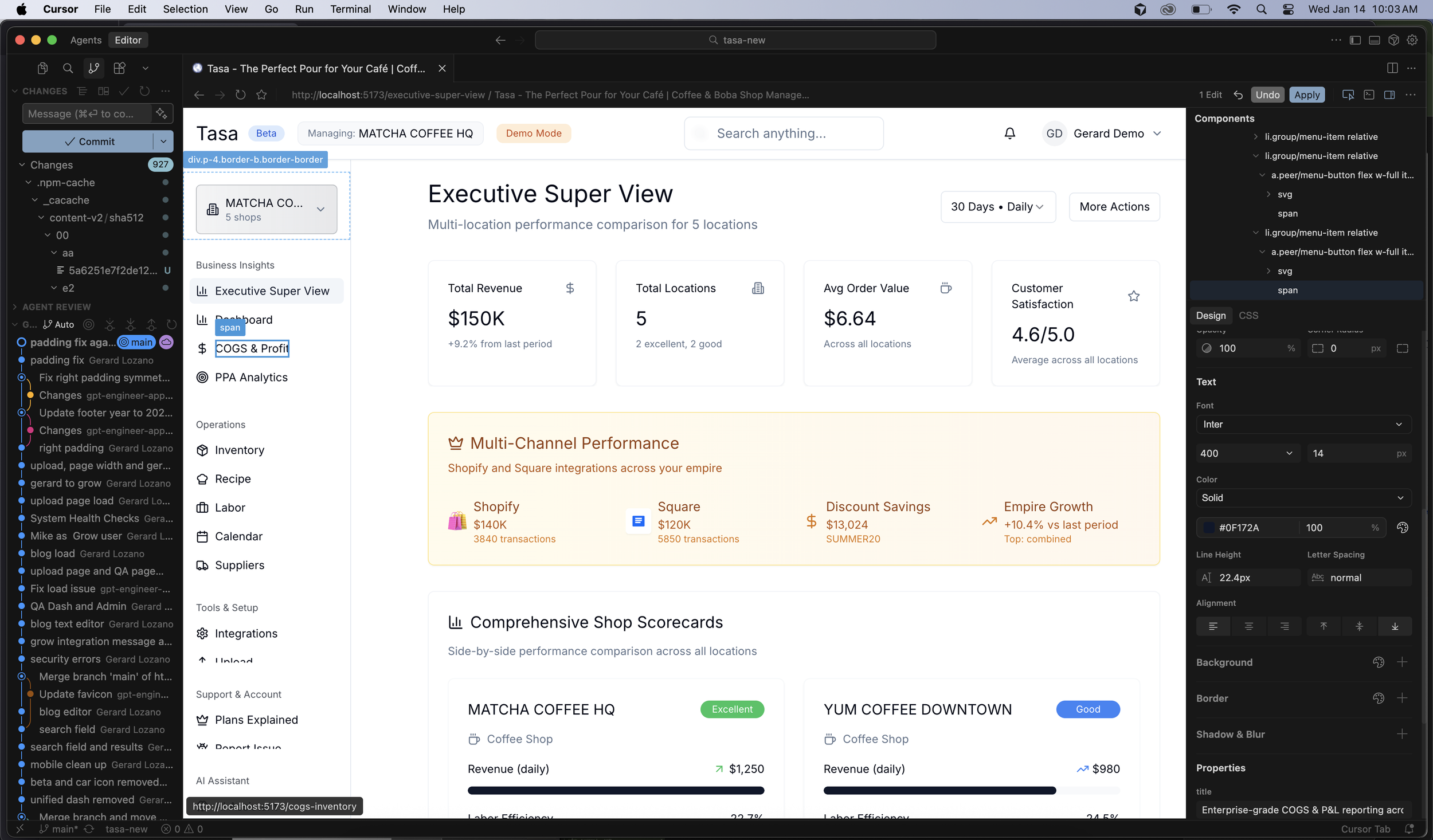
To turn designs into working React components and for more robust development work. More importantly bugs and error handling. I was able to fully complete and get it to the 100% production ready level.

Lovable
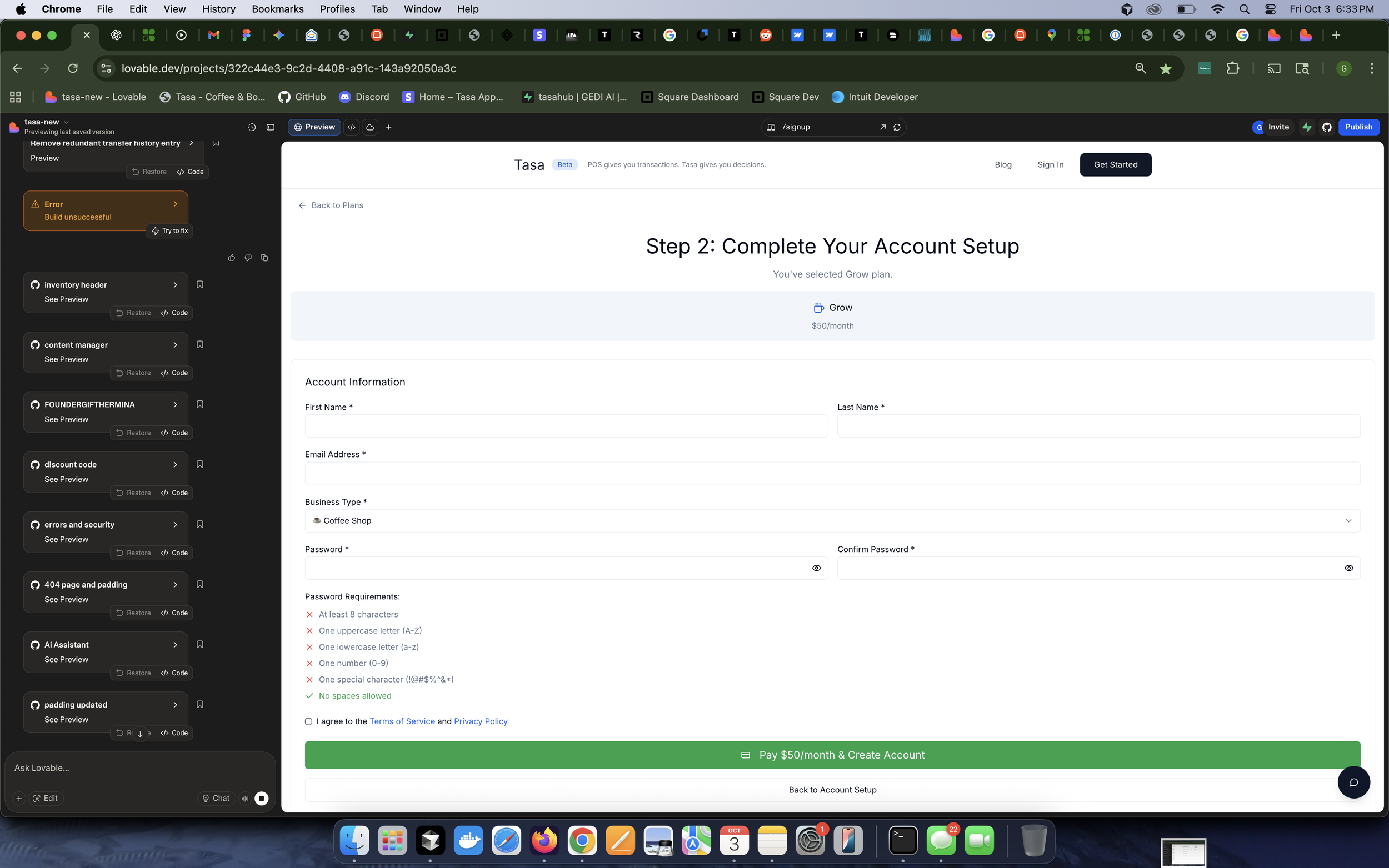
I used Lovable all the way to 75% for explorative quick design mocks to get to MVP. Which allowed me to collaborate and share the concepts extremely fast with teams and initial user research.

ChatGPT & Gemini
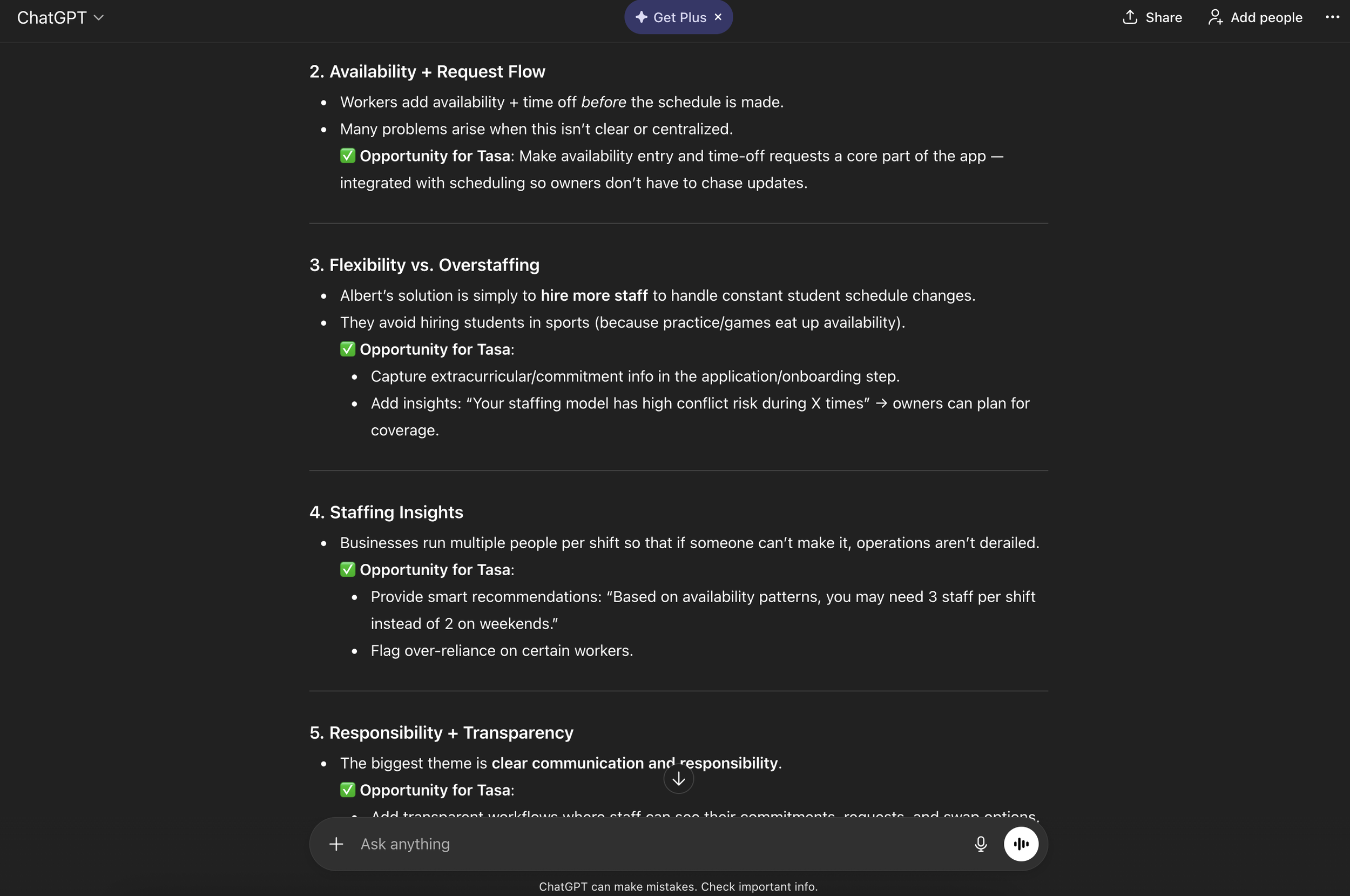
To build the PRD in a very robust way, seek AI for areas that we’ve missed and didn’t think of. Expounded our ideas to more and then narrow towards a tighter direction. Used Gemini to see how it would compare to ChatGPT to avoid mistakes and hallucinations.
Deliver: From Design to Live SaaS in 5 months instead of 12.
I didn’t stop at mockups.
I worked side-by-side with engineering to ship:
Onboarding
CRM
Job tracking
Invoicing
Payments
And I wrote:
Product docs
UX specs
Feature definitions
Flow diagrams
So the team could scale without chaos.
Working with Founders & Engineering
I partnered directly with:
Founders on vision, roadmap, and tradeoffs
Engineering on feasibility, architecture, and delivery
I ran:
Weekly product reviews
UX critiques
Research readouts
I wasn’t executing orders — I was shaping the product.
Why This Matters
This project shows I can:
Build from zero
Lead without a PM
Design systems, not screens
Work with engineers
Move fast with AI
Stay grounded in real users
This wasn’t a redesign. This was product creation.
Outcome
TassaHub launched as a fully functioning SaaS platform.
We went from:
“We have an idea” → “We have customers using this”
And I delivered:
A real product
A real system
A real business foundation